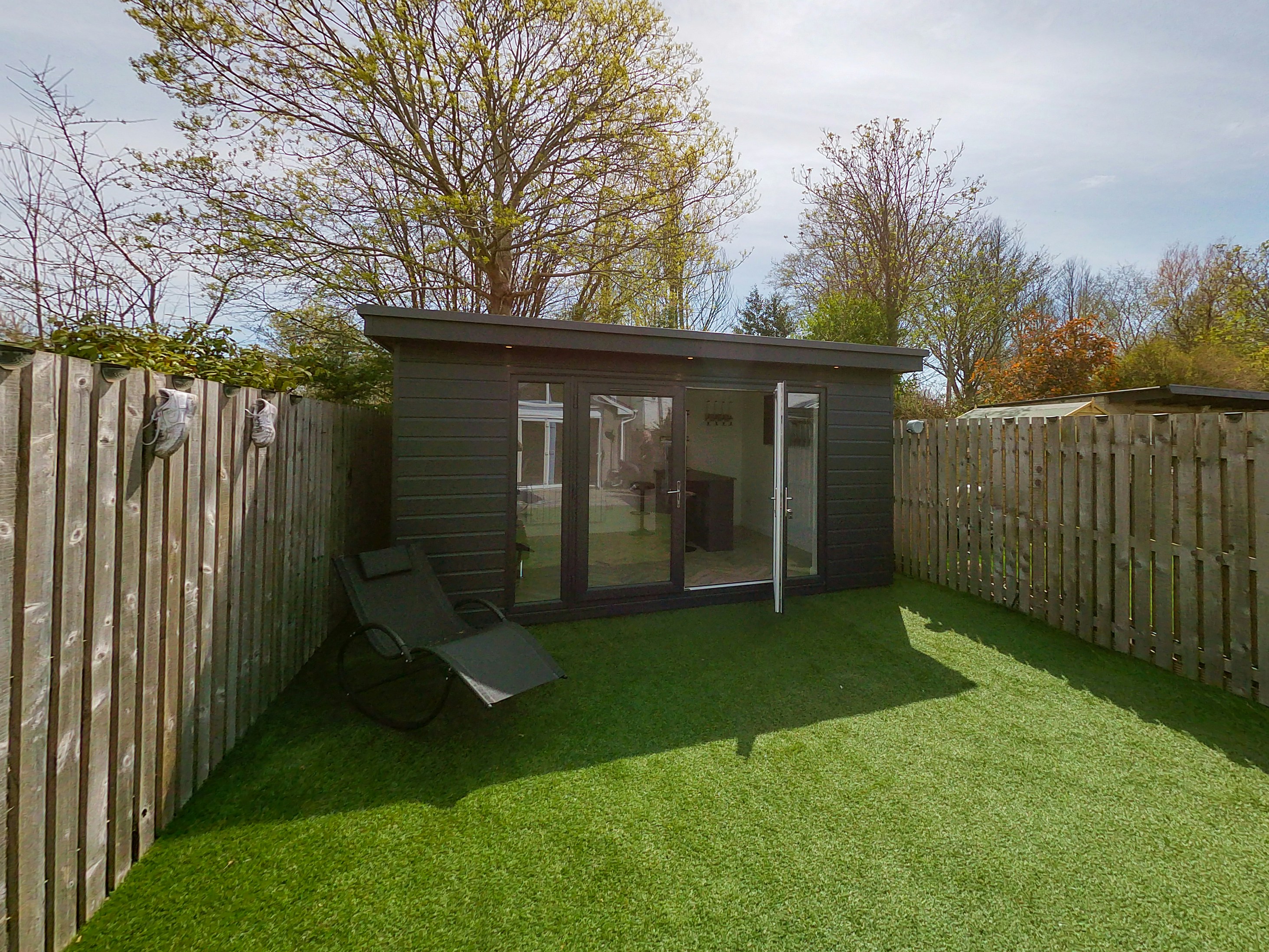
Many tenancy records begin at the front door and end there too. The garden, garage and shed are often left to a line at the bottom of the schedule, even though they are part of the let and part of the evidence. A lawn, a hedge, a shared path, a parking bay and a garage fob can all raise questions later, and none can be answered from a photograph of the hallway.
Start with what the tenancy agreement says
The agreement sets out who does what. Who cuts the grass, who trims the hedge, whether the garden must be returned to the state it was in at the start, and what happens to anything the tenant plants or installs.
An inventory does a different job. It describes the property as found on the day the tenancy begins, so a fair comparison can be made at the end. Responsibility for repairs to the structure and exterior will usually sit with the landlord, while routine garden upkeep depends on what the agreement says. The record sits underneath both.
Keep the two documents in view together. If the agreement says nothing about the greenhouse, log store or raised beds, that silence is worth raising before the keys change hands rather than twelve months later.
The garden needs more than one line
A garden entry needs more detail than 'garden to rear, established'. Useful observations include:
- the lawn: length of grass at the visit, bare patches, moss, weeds, waterlogging
- borders and beds: planted, bare, mulched, overrun with weeds, covered in gravel or bark
- shrubs and young trees: roughly how many, approximate height, whether in leaf or cut back
- hedges: approximate height and whether recently trimmed
- hard surfaces: paving, gravel, decking, steps, retaining walls, condition and any movement
- boundaries: fence panels, posts, height, condition, and whether the boundary is a wall, a fence or a hedge
- features: ponds, water butts, outside taps, outside lighting, washing lines, garden furniture left by the landlord
- garden machinery and tools that stay with the property
A clerk can record that a shrub stands about two metres high and is in leaf. Naming it is fine where it is obvious. Guessing is not, and a report that confidently misnames a plant invites the reader to doubt the rest of it.
Season and weather belong in the record
An inventory taken in January describes a different garden from one taken in July. That is not a problem so long as the report says so. Ground that looks bare may be dormant growth, bulbs or perennials cut back for winter. Snow, standing water and fading light all affect what can be seen.
Record the conditions at the visit and what could not be inspected. A note that a border was under snow is more useful than a paragraph implying it was examined closely.
Garages, parking and what was left inside
Garages cause more conversation at the end of a tenancy than their size suggests, usually because nobody wrote down what was in them. Points worth capturing:
- construction, roof covering and whether the garage is attached or freestanding
- door type, manual or powered, and its condition
- the number of keys and remote fobs supplied, and which door each one works
- power sockets, lighting, water supply and any heating
- floor surface, oil staining, damp patches, ventilation and visible cracks
- whether the garage forms part of the let and whether it is expected to house a car or only storage
- anything the landlord is leaving behind: paint tins, tools, a spare set of furniture, a chest freezer
That last point matters. Landlord goods left in a garage should be itemised, as furniture in a bedroom is, so they are not mistaken for the tenant's property or missed later.
Parking deserves its own short entry: the space or bay, any markings, permit arrangements, and whether access is shared. An unallocated space described as allocated is the sort of small error that causes a large argument.
Outbuildings, sheds and stores
Sheds, summerhouses, greenhouses, bin stores, bicycle stores, workshops and coal bunkers all count. Record the structure, roof and glazing, whether the door closes and locks, whether power reaches it, and what is stored inside.
A greenhouse with cracked panes, a shed with a soft floor or a bin store with a broken latch are ordinary observations. Write them down plainly and move on. The report does not need to decide how they came to be that way.
Access, gates and shared areas
Paths, shared drives, service alleys, communal bin areas and side returns are easy to walk past and hard to reconstruct later. Note gates, padlocks and shared access arrangements, and record how many keys or codes have been handed over.
Keys recur at the end of a tenancy. A garden gate key that was never counted at the start becomes a question nobody can answer with confidence.
Describe what you see, not what you think caused it
A damp patch on a garage wall is an observation. Whether it comes from a leaking gutter, raised ground outside or something within the wall is a matter for a builder or surveyor.
The same applies to a leaning fence panel. Record the lean, the state of the posts and the movement when pushed. Do not attribute the cause to a neighbour, the weather or anyone's neglect. Observations from a property visit are not diagnoses, and they are not decisions about who pays for what.
Visible hazards belong in the report too: broken glass in a border, a loose paving slab, an unstable shed roof, a pond without a cover, a rotten step. Note them and pass them to the landlord or agent. What should be done about them is their call.
Photographs, timing and the end of the tenancy
External areas add real time to a visit. A garden, a garage and two outbuildings can take as long again as a small flat, so the schedule should allow for it rather than squeezing it in at the end.
Photographs work best as a pair: a wide shot to show layout and a close shot to show condition, with something in frame for scale. Take them while the property is empty and before the tenancy begins. A garden photographed after the tenant's furniture, pots and bicycles have arrived records a different scene.
Comparison is only possible where the starting point was recorded. Where the garden was described in detail at the start, the inspection at the end can compare like with like: grass length, hedge height, the state of the beds, the condition of the shed. Where it was not, the conversation becomes a contest of memory.
Outdoor areas show the passing of time as clearly as anything indoors. Fences weather, decking greys, lawns thin in a dry summer, and a hedge grows whether or not anybody asked it to. The report describes what is there. Judgements about fair wear and tear, and about proportions, belong elsewhere.
Before the visit
- Read the tenancy agreement for garden, garage and parking obligations
- Confirm whether the garage, shed, store or parking space is included in the let
- Ask what the landlord is leaving behind and where
- Establish how many keys, fobs and codes there are
- Check the bins, the stores and the awkward side return
- Allow enough time, and photograph the outside before the inside takes the remaining light
Get those things into the record and the garden stops being an afterthought. It becomes what it always was: part of the property, and part of the evidence.