CJH services
Professional reporting for every stage of the tenancy
Independent inventories, check out reports, mid term inspections and domestic Legionella assessments for letting agents and landlords across Cambridge and the surrounding area. Detailed reporting, clear evidence and professional service.
Overview
Property inventories and schedules of condition
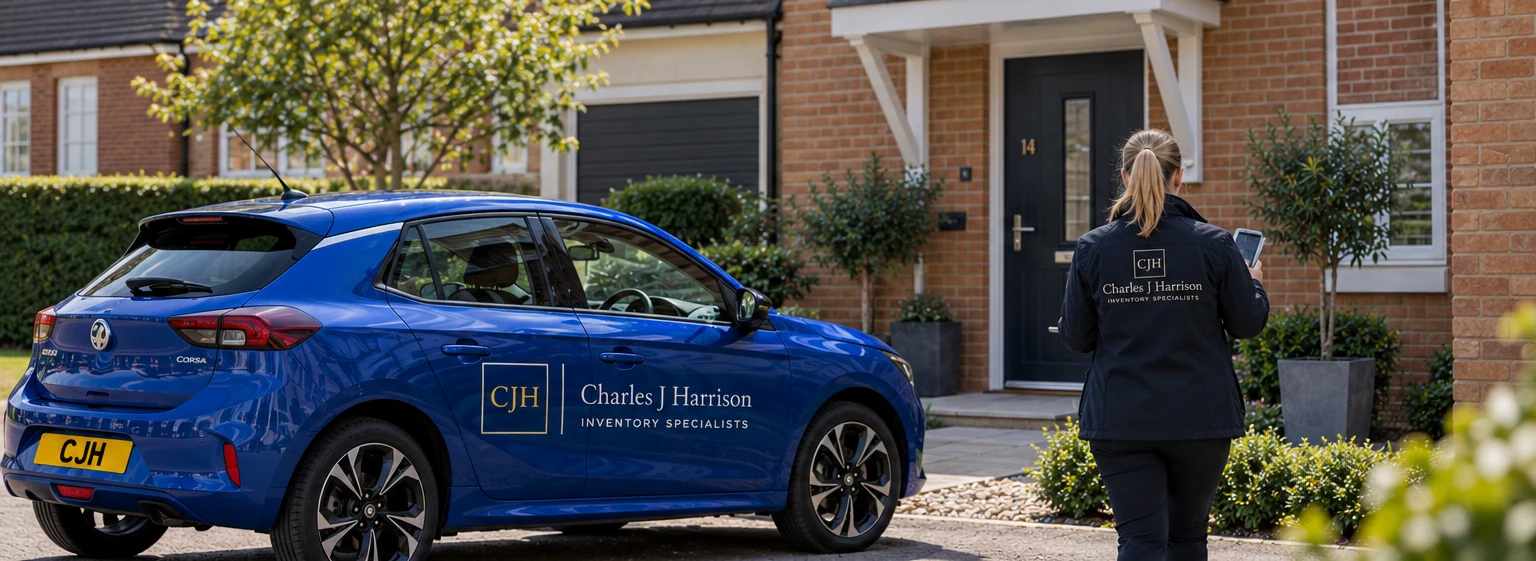
A property inventory creates a detailed record of the accommodation at the start of a tenancy. Our room by room reports describe the condition and cleanliness of the property, together with fixtures, fittings, decoration, flooring and contents where instructed. Carefully selected photographs support the written observations so that individual details can be understood later.
Where a check in is included, it forms part of this starting record. Keys, accessible meter readings and relevant handover observations may also be noted according to the agreed instruction. The inventory provides evidence of condition; it does not decide fault or guarantee the outcome of a deposit dispute.

Overview
Check out reports
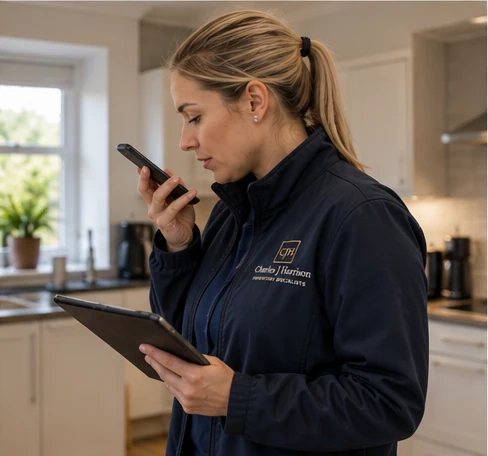
At the end of a tenancy, a check out report records the condition of the property as it is found. Where the original inventory is available, our clerk can compare the end of tenancy findings against that starting record, highlighting relevant differences, cleanliness issues, missing items and observed damage with clear photographic evidence.
The report distinguishes factual observations from questions about responsibility, fair wear and tear or proposed deductions. Those decisions belong to the relevant parties or deposit adjudicator, not the inventory clerk. The result is an organised, impartial record that helps agents and landlords discuss the property's condition fairly.
Overview
Mid term inspections
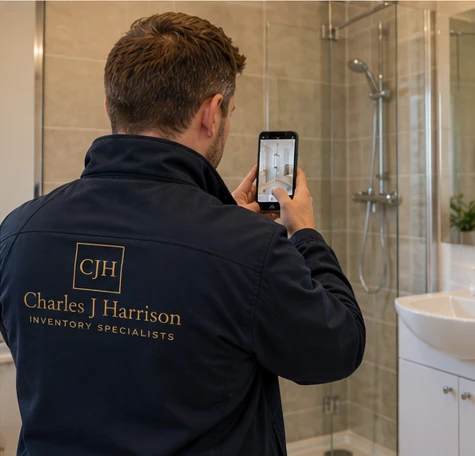
A mid term inspection provides a useful snapshot of the property's visible condition while the tenancy is ongoing. Within the agreed scope, the visit records general upkeep, cleanliness and observable maintenance concerns, supported by photographs where appropriate. It can help an agent or landlord identify items that may need attention before the tenancy ends.
This is a proportionate property visit, not a full structural survey or specialist safety certification. Any areas that cannot be accessed, and any limitations affecting what can be observed, should be clear in the report.
Overview
Tenant inventory verification
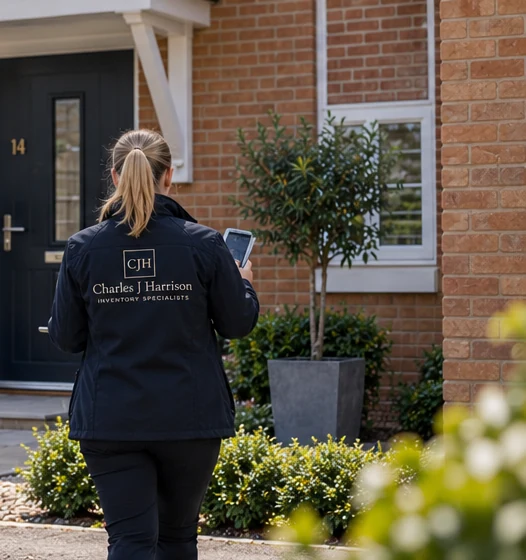
Where included in the instruction, tenant inventory verification gives the tenant a secure opportunity to review the original report, submit relevant comments and supporting photographs and confirm their review within the applicable period. The original inspection record is preserved, with a traceable history of the review activity rather than silent changes to the clerk's observations.
This is an optional part of the inventory evidence process, not another property inspection. It helps provide clarity about what was recorded, when observations were made and how comments were handled.
Overview
Legionella domestic risk assessments
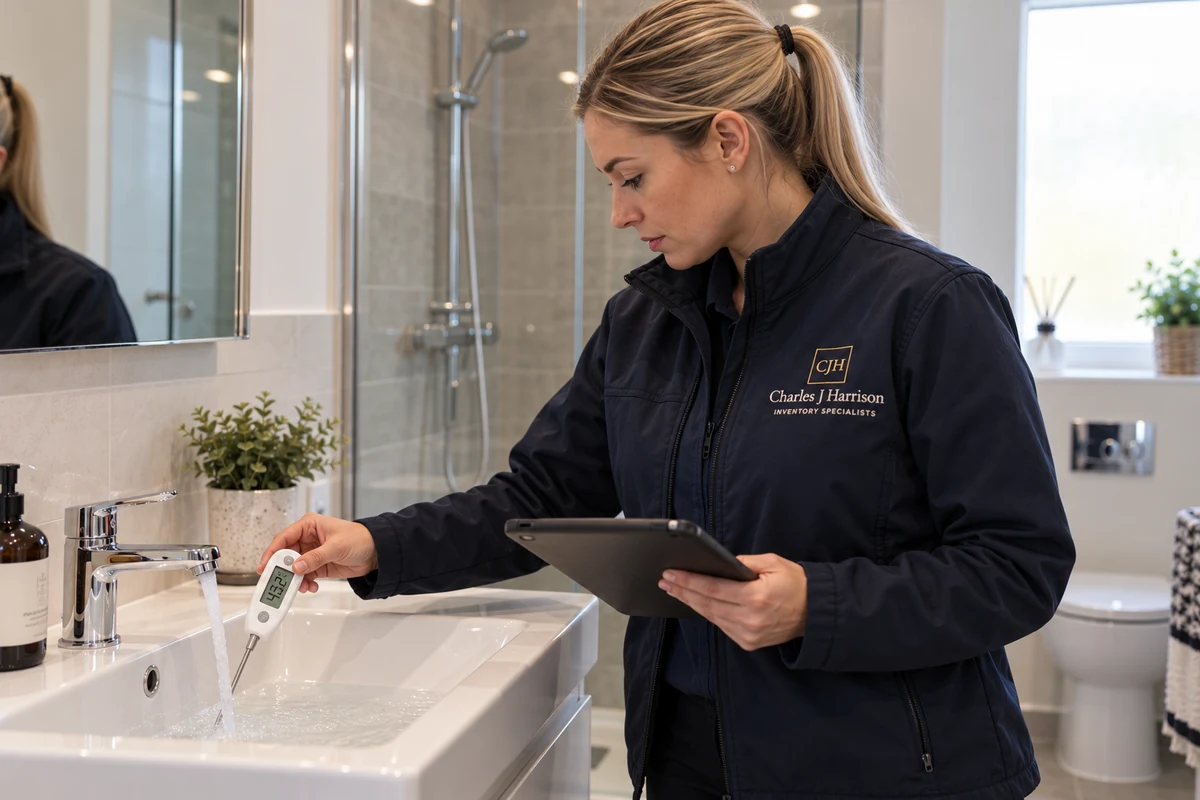
A domestic Legionella risk assessment considers relevant features of a property's accessible hot and cold water systems and factors that may influence the risk of exposure to Legionella bacteria. The instructed assessment documents observations and identifies matters that may need appropriate controls, further investigation or specialist attention.
The approach should be proportionate to the water system and its use. A visual assessment is not laboratory water testing, a 'Legionella certificate' or a guarantee that bacteria are absent. Landlords and those responsible for the property retain their duties to assess and manage the risks. CJH will confirm the assessment scope when the service is arranged.
Our approach
Bespoke agent and portfolio services
Letting agents and property managers handling regular instructions need consistent reporting as well as dependable communication. CJH can discuss agreed booking arrangements, report formats, key collection and access processes, office updates and support for multiple properties or branches.
We will confirm the relevant service scope and practical arrangements before accepting an instruction, so that the report and the process are suited to the property and the people relying on it.

Next step
Arrange your report with confidence.
Choose the route that matches your instruction.

Frequently asked questions
Useful answers, clearly explained.
Is a check in the same as an inventory?
The inventory is the detailed starting record of the property's condition. A check in may add practical handover observations, such as keys and accessible meter readings, when those tasks are included in the booking. At CJH they form part of the same inventory service rather than requiring a separate service page.
What is the difference between an inventory and a check out?
The inventory describes the property at the beginning of the tenancy. The check out records its condition at the end and can compare the findings with the original report. Neither document automatically determines responsibility for damage or deposit deductions.
What does a mid term inspection cover?
It records the visible condition and relevant observations during an active tenancy, within the agreed scope. It is not a building survey, a compliance certificate or a substitute for specialist inspections.
Does a domestic Legionella risk assessment require laboratory testing?
Not routinely. The Health and Safety Executive explains that domestic assessments should be proportionate to the property and water systems. Water sampling is a separate activity and is not generally needed for most domestic hot and cold water systems.