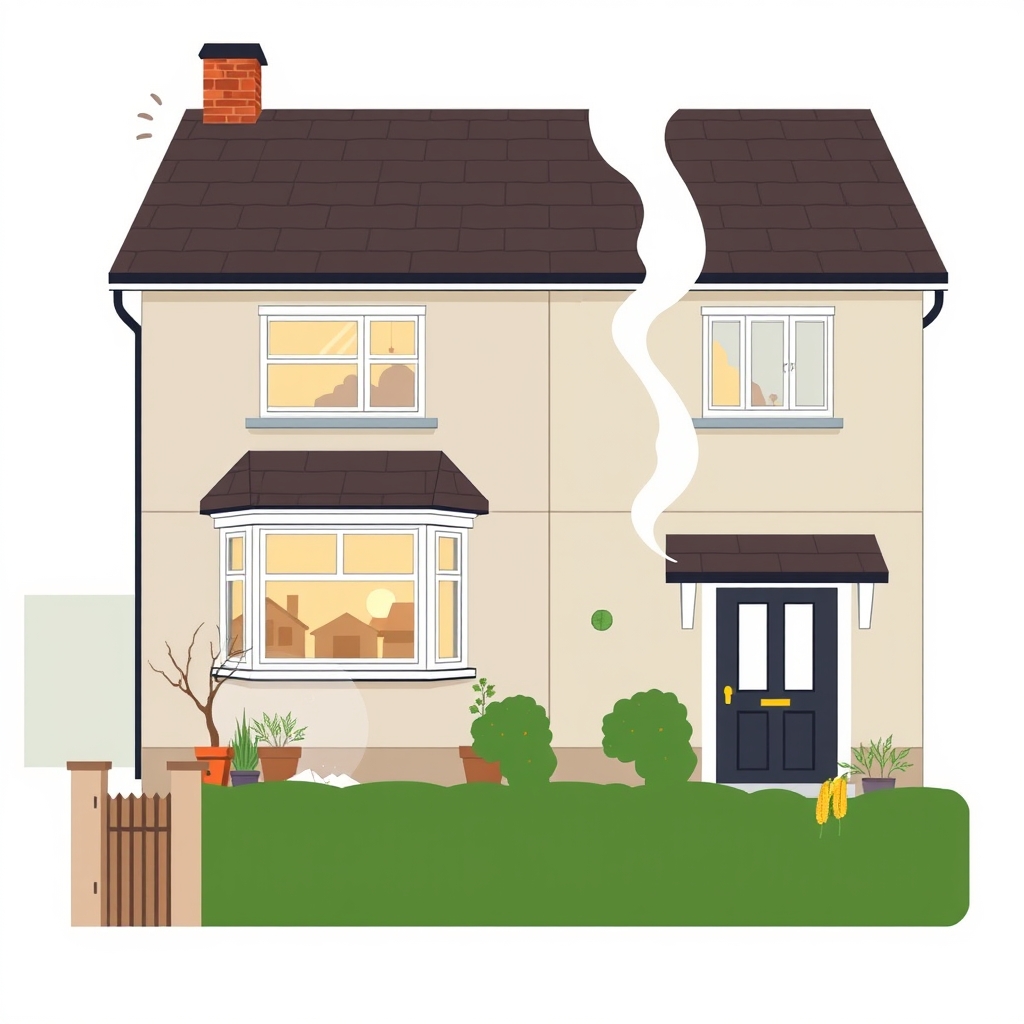
A camera only records what it is shown
A photograph is very good at surfaces. It shows a mark on a wall, the state of a carpet, the model number inside a boiler casing if the light is kind and the phone is steady. What it cannot do is carry everything else that was true in the room when the shutter opened.
An inventory is written in a property that is about to change hands, on a busy day, usually with somebody waiting. The temptation is to let the pictures do the work and keep the notes short. That is the moment where the useful detail quietly disappears, because most of what a reader will want to know later never made it into the frame.
The smell of a room
Anyone who has opened a front door and known something was wrong before seeing anything will recognise this. Fresh paint over something older. A drain that only announces itself in warm weather. A hallway that smells damp on a wet afternoon and perfectly ordinary by Thursday. The previous occupant's cooking, still sitting in the curtains.
None of it fits in a photograph, and none of it keeps. Smell changes with the weather, with ventilation, with a window that was open for an hour before the visit. Written up later, the description slides towards either the useless or the dramatic: a vague line about a musty smell, or a bold claim about damp throughout the property. Written in the room, it can be specific and careful.
Something like: noticeable musty odour in the second bedroom, strongest near the window wall, no visible staining at the time of the visit, raised with the letting agent the same day.
That sentence does three useful things. It places the observation, it says what could and could not be seen, and it stops short of explaining why. An odour is a symptom with several possible causes, and a clerk standing in the doorway is not there to choose between them. Recording a smell is not the same as diagnosing it, and it is certainly not the same as deciding who should pay for anything.
The cupboard nobody opened
Every report has at least one. A cupboard that was locked. A cupboard packed to the door with bedding. A loft hatch painted shut, an airing cupboard used as a pantry, a garage so full that the back wall was a rumour.
Silence is the wrong response to any of them, and invention is worse. A short line is enough: cupboard in the main bedroom not inspected, full of the occupant's belongings at the time of the visit. Anyone reading that later knows exactly what they have and what they do not.
It also gives somebody a reason to look again. A known gap can be closed at the next visit. An unknown gap turns up months later, in the middle of a conversation about something else entirely.
The corner the torch missed
Lighting decides more of a report than most people realise. A ceiling light with no bulb, a landing with no fitting at all, a garage with no power, a wardrobe with a shelf and a shadow underneath it. February afternoons make all of it worse. Photographs from a dark corner come back flat and orange, or grey and grainy, and the wall they were meant to describe becomes anybody's guess.
The answer is rarely better equipment. It is daylight where daylight exists, blinds and curtains opened, lights switched on where they work, a torch for the places they do not, and a plain sentence when the light simply would not do the job.
A photograph of a dark corner proves that the corner was there. It does not prove what the plaster was like.
The things you hear and feel
Some of the most useful observations in a property never had a chance of appearing in a picture. A tap that drips once the pressure settles. An extractor fan that ticks but does not turn. A towel rail that shifts under a hand. A door that will not catch in the frame. A window that drops when it is opened. A radiator that stays cold while the rest of the house is warm.
Each of these takes a sentence, and each is easy to forget by the time the report is being typed. That is the argument for notes made in the room rather than notes made in the car.
What a photograph is genuinely good for
None of this is an argument against pictures. A dated image, tied to a numbered item in the schedule, is one of the strongest things a property record can contain. It settles arguments about colour, pattern, model and general condition with a speed no paragraph can match.
But a photograph without a written note is an orphan. Nobody knows which room it belongs to, whether it was taken at the start or the end of the tenancy, or what the clerk was trying to capture. A caption of six words turns a picture into evidence. Five hundred pictures with no captions turn into a folder that nobody wants to open.
What the record is for
It is worth saying plainly that a property record is not a trap laid for either side. The tenancy deposit schemes generally treat the inventory as the written statement of contents and condition, with photographs supporting that description rather than replacing it. The document gives everyone the same starting point. Tenants benefit from it as much as landlords and agents do, because a fair comparison at the end of a tenancy depends on a sensible record at the beginning.
That is why the small things matter. The cupboard that was never opened, the odour nobody wrote down, the corner that only the torch saw: none of these are failures of effort. They are failures of assumption, made by people who thought the camera had already covered it.
Keeping the gaps honest
A method that survives a busy day is usually a dull one. Rooms in the same order every time. Every cupboard, appliance and outside space opened where access allows. Lights on, curtains open, daylight used properly. Notes written in the room, not reconstructed afterwards. Images dated and attached to the item they describe. And one plain sentence, wherever something could not be seen, saying so.
That last habit is the one worth keeping. A report that admits where it stopped is more trustworthy than one that implies it saw everything, and far easier to stand behind when somebody asks a difficult question a year later.
A good record does not pretend the camera caught it all. It says what was there, what was checked, and where the gaps were. When a room has to be remembered rather than visited, that honesty is worth more than a full memory card, and considerably easier to read.